When I was a young boy, the World Pipe Band Championships came to Dam Park Stadium on the banks of the beautiful River Ayr in my hometown. Thousands of pipers, hundreds of bands from around the world, all competing for the titles of best piper and best band. The skirl of the pipes rose across the town, mingling with the screech of the seagulls scavenging the river less than two miles upstream from the Firth of Clyde.
It was midsummer, and at that latitude, at that time of year, night barely came. I was stationed at the entrance to the park selling programmes from dawn until dusk for four days. By the end, I was deaf, my brain befuddled by the cacophony.
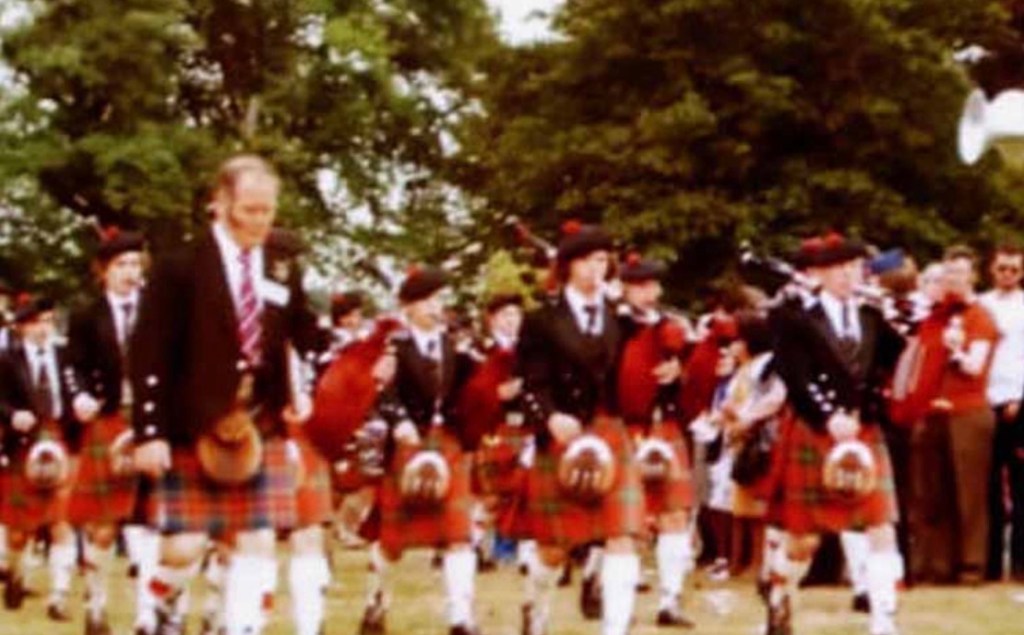
For the next thirty years I couldn’t bear the sound of the f*&^%g bagpipes!
Yes, it is possible to have too much Scottishness. Even for me.
That tradition—the tartan, the kilts, the pipes—is, of course, a relatively modern invention, generally traced back to King George IV’s visit to Edinburgh in 1822, the first visit by a reigning monarch of the united Scottish and English crowns in more than 200 years. Sir Walter Scott, one of the leading figures of the Scottish Enlightenment, saw the visit as a way to integrate the Highlands into the new Great Britain, at a time when the scars of the Jacobite rebellion of 1745 were still fresh in the national memory. He orchestrated a magnificent spectacle for the King, complete with parades, ceremonies, banquets and pageantry. In the process, he created much of the version of Scotland we recognize today.
Scott—one of Scotland’s most influential sons, a thinker, novelist and poet—was therefore indirectly responsible for Boston running out of beer last weekend.
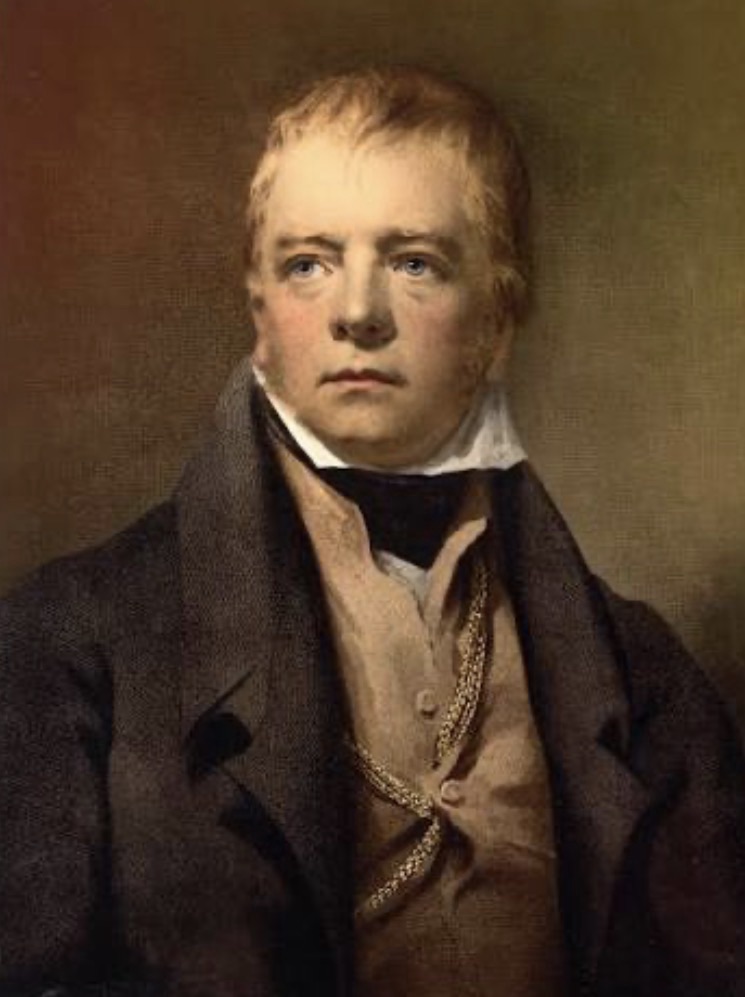
Good lad!
To be honest, I started writing this section with my tongue firmly in my cheek. But as I wrote, I realized it was actually true. The origins of the Tartan Army that swept through New England can be traced directly to those events two centuries ago, even if Scott himself could never have imagined it. He brought the clans into the national fold, showed them how to be proudly Scottish within a united kingdom, embraced Highland tartans (albeit with rather more detergent and a flair for fashion), and encouraged generous consumption of the “water of life” that fueled the celebrations.
Yes, thanks to Sir Walter…
No Scotland. No Party.
It’s been more than forty years since I lived in Scotland, yet in my heart it will always be home. I couldn’t have been prouder to be part of that Army in Boston. Even more so because Lorna and Andrew, who have never lived there but have had Scottishness lovingly forced upon them, were with me.
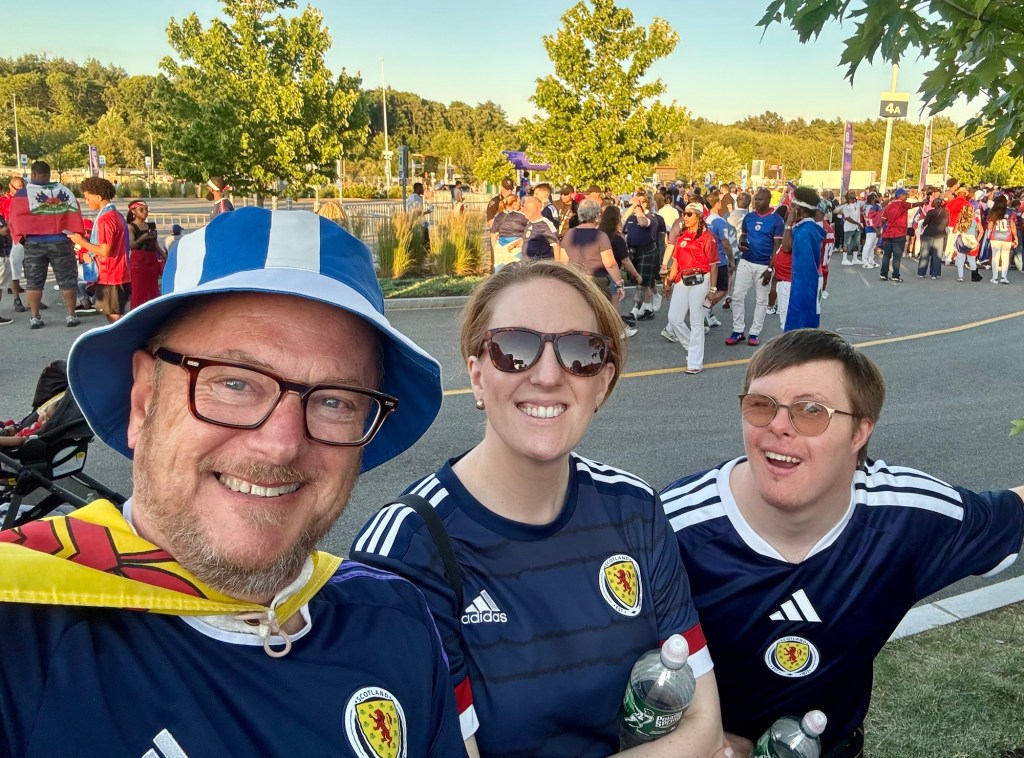
That cultural identity is deeply ingrained. It never leaves you.
I enlisted in the Tartan Army a long time ago. My first “march” was Scotland 8, Cyprus 0 in a World Cup qualifier at Hampden in May 1969. A life-shaping moment for an impressionable young lad, seeing the heroes from the posters on his bedroom wall in the flesh.
You can take the boy out of Scotland, but you can’t take Scotland out of the boy.
In many ways, Boston felt like a gathering of the clans. Small groups of Scots made their way from their own “glens,” congregating and growing in number as we approached the city. There were probably only half a dozen of us on the flight from Indianapolis, but we found each other almost immediately. What we lacked in numbers, we more than made up for in presence. Men in kilts can’t help but attract attention from the uninitiated.
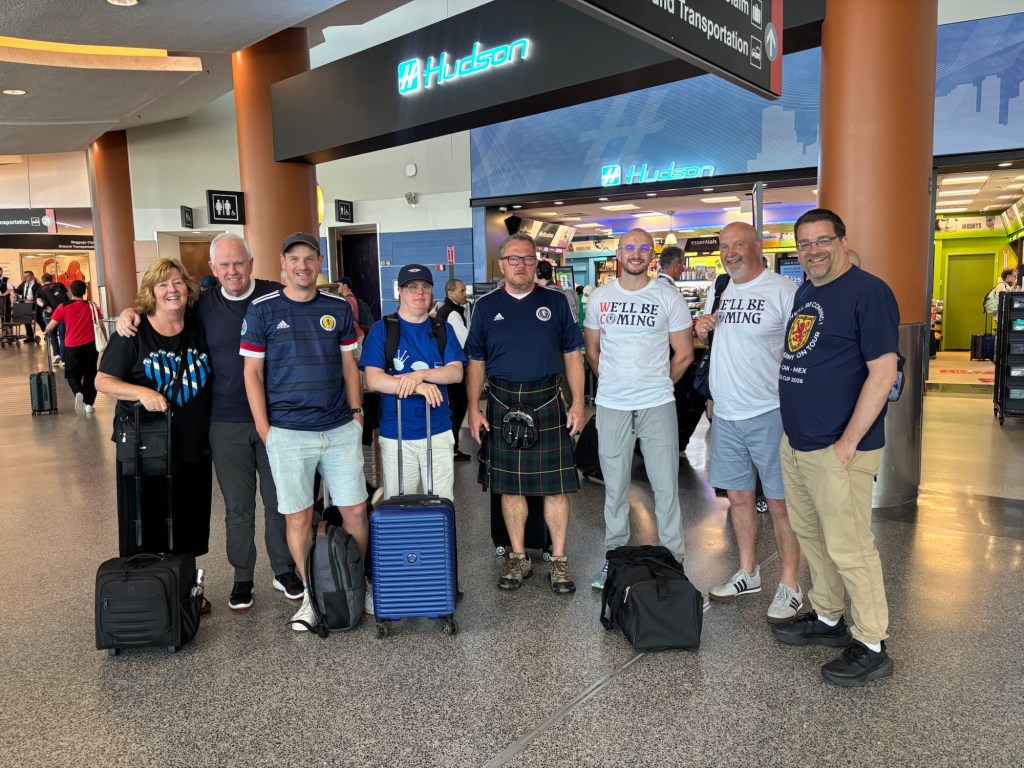
Our ranks swelled as we navigated Logan Airport and made our way to the Uber pickup. Two boys—a perfectly normal Scottish term for grown men—started chatting to me while we waited in line. They were from Wishaw, just south of Glasgow, and it took me a moment to tune my ear back into their broad Glesga accents.
I laughed.
I was with my ain folk.
The Americans with me had absolutely no chance. I swore to them the boys were speaking English, but…
The numbers grew further as we wound our way into the center of Boston to one of the Army’s headquarters, The Dubliner, where the choir was already in full voice. The plethora of YouTube videos of that bar does not do justice to the energy inside.
Then word spread that the Army was to muster on Boston Common to greet Craig Ferguson—the lad who had walked from Los Angeles for the game. At that moment, I truly knew I was with my people.
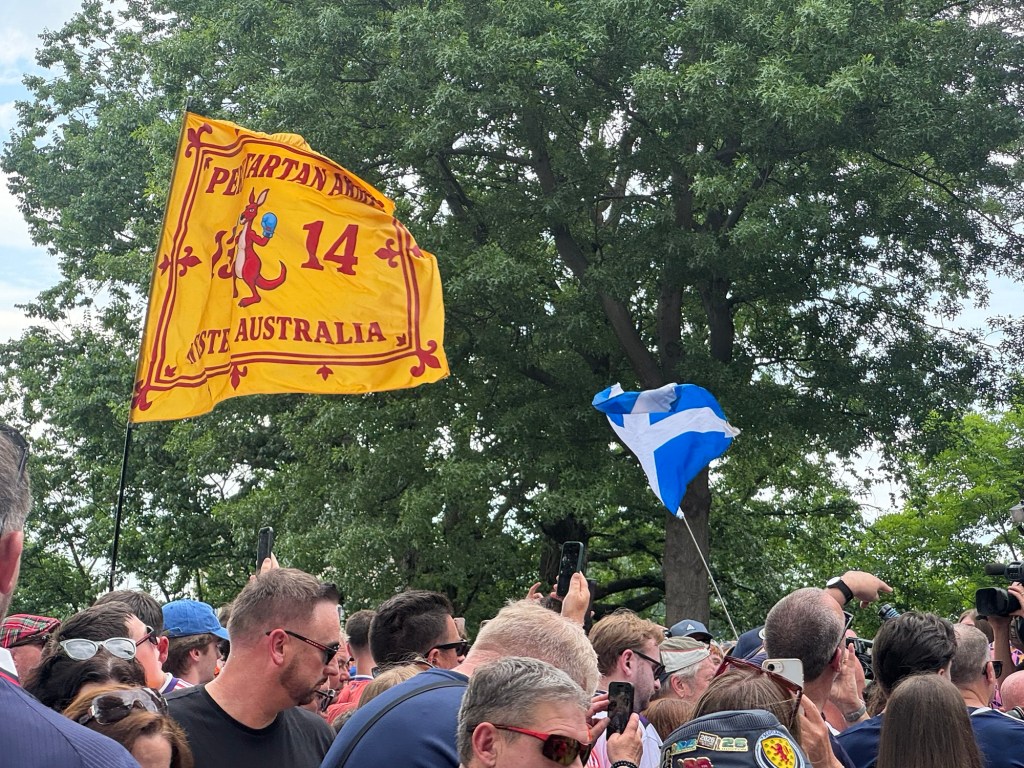
The emotion was overwhelming.
To recount all the conversations we had with fellow Scots would become repetitive. Many of those stories have already appeared in earlier posts. But I’ll share one more from my final night in Boston.
With an early flight the next morning, and keen to avoid the exorbitant hotel prices downtown, I stayed near Logan Airport. My hotel was comfortable and had an excellent restaurant and bar, where I settled in to watch Ecuador versus Curaçao, which had just kicked off. Not exactly the glamour tie of the tournament, but after the chaos of downtown Boston I was still surprised to find the bar almost empty. Apart from me there was only an older gentleman from Peru, enthusiastically his South American neighbor .
The restaurant manager had just finished a painstaking stock take of the bar before signing off her shift. Instead of going home, she perched on a stool and joined us to watch the match. It turned out she was a huge football fan—and was very knowledgable.
I told her how surprised I was that the place was so quiet and asked whether the World Cup had kept them busy.
“Busy?” she replied, eyeing my Scotland shirt. “Your lot just about drank us dry. They only left today. They’re off to Miami.”
That explained the stock take.
Apparently, she’d had to place an urgent order to replenish the bar.
Like everyone else we’d met, she couldn’t speak highly enough of the Scots—their fun, their energy, their politeness. My chest, already swollen with pride after the weekend, puffed out just a little further.
Then she told me another story.
When she closed the bar at 1:00 a.m., a group of Scots announced they were heading back into the city to continue the party.
“But not just anywhere,” she said.
“Which is the roughest part of Boston?” they had asked.
Now, Boston isn’t a particularly dangerous city. Nevertheless, she admitted she was a little concerned when, having been told where that was, they immediately ordered an Uber to see just how tough it really was.
Fortunately, the night porter reported that they returned safely around 3:00 a.m.
I can only imagine the impression the Tartan Army left on the toughest neighbourhood in Boston.
My people.
Fearless.
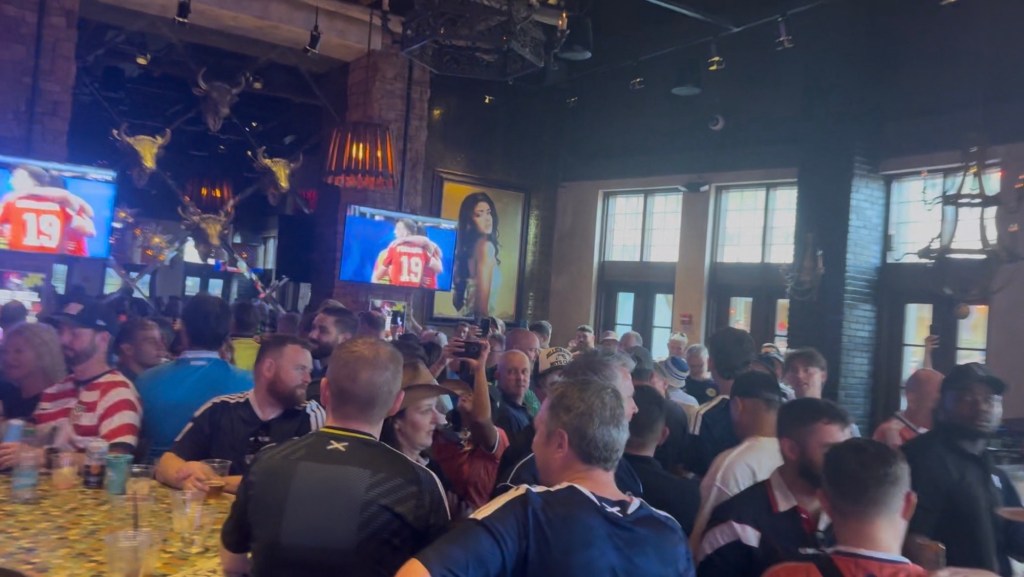
The Tartan Army made an impression across the whole country.
The next day, recognizing that it is work that pays for my World Cup adventures—and despite an overwhelming urge to say, “Screw it, I’m off to Miami”—I boarded a flight to California for a series of business meetings.
I felt rather like a conquering hero as I walked through hotel lobbies and conference rooms, my Army uniform exchanged for subdued business attire.
“Were you part of that Tartan Army?”
“I heard Boston ran out of beer.”
“You guys were awesome!”
I’m not entirely sure it’s something to be proud of. The Army peacefully overran a major American city, without so much as a single reported injury, and reportedly drank three times more beer than Boston consumes on St Patrick’s Day—in arguably the most Irish city in America.
Still, with a coy nod of the head, and knowing my people had behaved impeccably, I accepted the compliments.
Oddly enough, I think I gained a notch or two of credibility from my antics. Sometimes I feel my American colleagues aren’t entirely sure what to make of me. That legendary weekend in Boston gave them a glimpse of James in his natural habitat.
I was tempted to give them a few more glimpses over the following three days.
But the kilt, still bearing the marks of the Boston campaign, remained firmly folded in the suitcase.
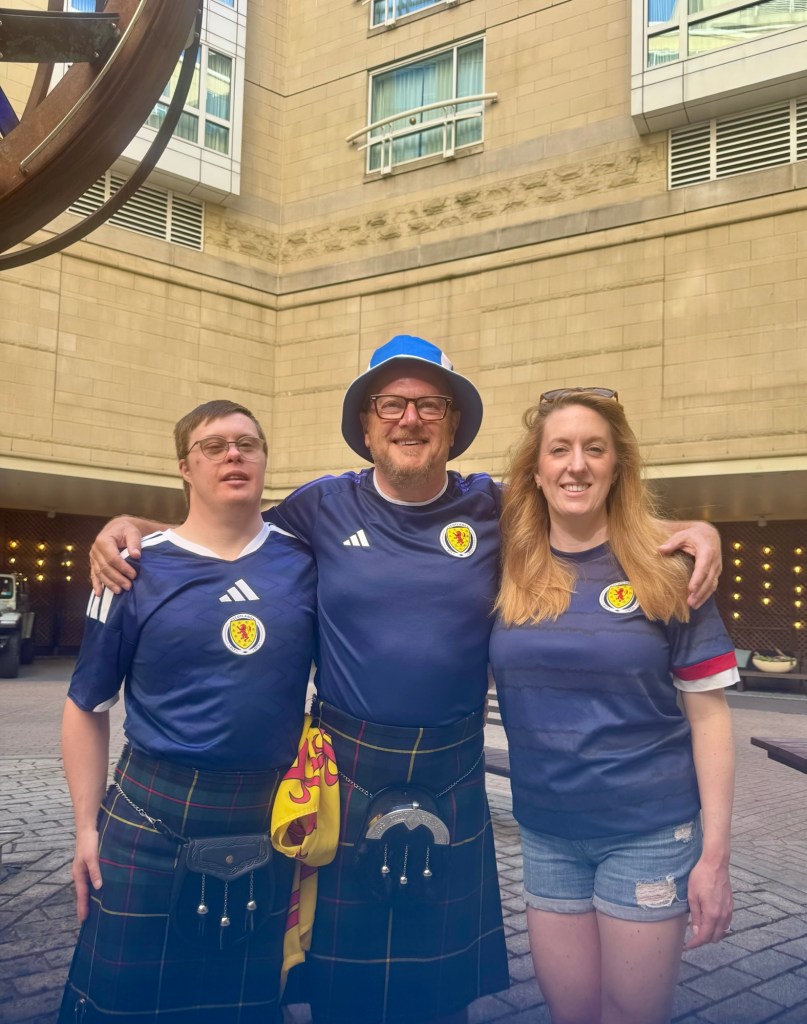

 What! Scotland Qualified!!!